
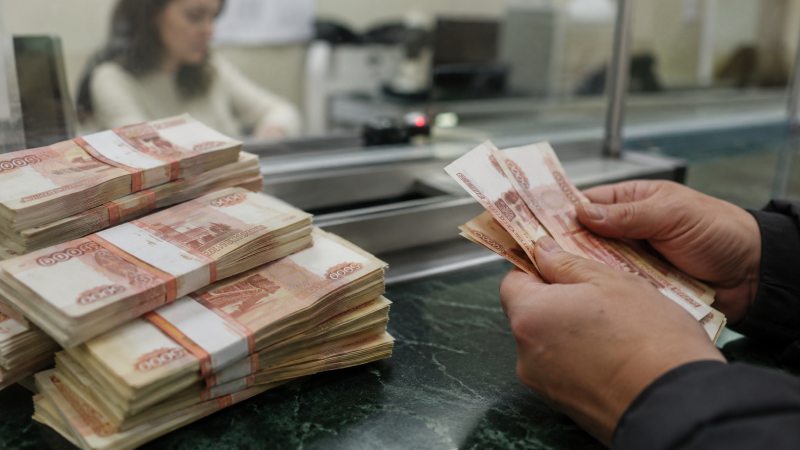
Russian bank cash withdrawals are surging so fast because citizens fear the Kremlin will seize private deposits to fund the ongoing conflict, alongside infrastructure failures that render digital banking unreliable.
Frequent mobile internet blackouts triggered by drone strikes have made cashless payments impossible, while aggressive anti-fraud systems have mistakenly frozen millions of accounts.
Consequently, Russians have withdrawn a staggering $24.7 billion so far in 2026—double the rate seen during the initial 2022 invasion. This massive flight to physical cash reflects a total breakdown in public confidence toward the state-controlled financial system.
Analyzing the Unprecedented Scale of the Great Ruble Run
Understanding the magnitude of this financial exodus requires a look at recent data showing how deep the liquidity drain actually goes. The following sections detail the specific numbers and historical comparisons defining this crisis.
Breaking Down the $24.7 Billion Withdrawal Surge
The velocity of the current cash drain is historic, with depositors pulling over 2.4 trillion rubles from commercial institutions in just seven months. July 2026 marked a critical peak when citizens withdrew $7.3 billion, followed by an additional $3.4 billion in the first half of August.
These figures indicate that the “Great Ruble Run” is not a temporary spike but a sustained trend of capital leaving the formal banking grid. Financial regulators are now struggling to provide enough physical banknotes to meet this relentless demand.
Comparing Current Panic to the 2022 Economic Shock
Data from senior banking executives reveals that 2026 withdrawals have already doubled the pace of the panic witnessed during the initial 2022 invasion. While the first wave of capital flight was a reaction to international sanctions, the current surge is driven by internal instability and structural failures.
Economic optimism has plummeted to a 20-year low, with over 60% of the public reporting that local conditions are deteriorating. This shift suggests a more permanent erosion of trust in domestic financial stability.
Why Are Russian Citizens Pulling Money Out of Banks?
Several overlapping factors are driving the rush toward physical currency, ranging from geopolitical fears to technical breakdowns in the digital infrastructure. Each of these elements contributes to the growing “everyday wisdom” of keeping cash at home.
Escaping Potential State Seizures and War Bond Conversions
Deep-seated rumors suggest the Kremlin plans to freeze personal savings or force-convert bank balances into war bonds to manage escalating military costs. While government officials have attempted to dismiss these reports as misinformation, the public remains highly anxious about the safety of their wealth.
This fear is amplified by the fact that the state increasingly directs commercial capital toward military-industrial needs. Consequently, citizens are preemptively liquidating their accounts to avoid potential withdrawal limits or outright nationalization.
Digital Instability Caused by Drone Strike Network Blackouts
Frequent drone strikes targeting critical infrastructure have forced authorities to execute large-scale mobile internet shutdowns to disrupt guidance signals.
These blackouts render banking apps and electronic payment terminals completely unusable, leaving households unable to buy basic goods without paper money.
In regions frequently under alert, digital balances are effectively trapped during emergencies. This has transformed physical cash from a preference into a survival necessity for millions of Russians living in conflict zones.
Eroding Trust Due to Massive Automated Account Blocks
In a heavy-handed attempt to meet Central Bank anti-fraud mandates, commercial banks have deployed automated screening systems that have mistakenly frozen over 3 million accounts. Citizens often find themselves trapped in bureaucratic loops while trying to unblock their own funds for everyday transactions.
This loss of access has severely damaged the credibility of electronic banking. Many individuals now believe that having an electronic balance is far riskier than holding physical banknotes that cannot be “switched off” by a mistake.
Broader Economic Consequences of Financial Instability
The massive drain of liquid assets is creating a pincer effect on the domestic economy, straining both private lenders and state funding mechanisms. This instability makes prolonged conflict increasingly difficult to finance.
Critical Liquidity Deficits Straining Commercial Lenders
The relentless flight to physical cash has created a ruble liquidity deficit not seen since the start of the 2022 invasion. Regional and mid-sized banks are facing structural deficits because they did not anticipate such a massive, sudden demand for withdrawals.
To prevent a total collapse of the banking sector, the Central Bank has been forced to provide trillion-ruble emergency overnight loans. However, these injections are merely a temporary fix for a system that is rapidly losing its core deposit base.
The Paralysis of Government Bond Sales and War Funding
A hollowed-out banking system lacks the capital required to purchase government bonds, which are the Kremlin’s primary tool for covering the budget gap. Recent attempts to sell these bonds were cancelled due to a lack of demand and available cash in the market.
As domestic savers hoard cash rather than investing in state debt, the Ministry of Finance faces mounting hurdles in raising the funds needed for military expenditures. This financial paralysis could eventually force the state to take more aggressive measures toward private assets.
Corporate and Strategic Reactions to Capital Flight
It is not just individual households participating in the exodus; large-scale enterprises and small vendors are also moving away from the formal financial grid. This dual flight accelerates the overall degradation of the banking system.
Large Enterprises Moving Billions to External Accounts
Russian corporations moved more than $9.4 billion out of the country in the second quarter of 2026 alone to protect their assets. Fearing expanding nationalization campaigns and the instability of political power, big businesses are seeking safer havens for their capital.
This corporate flight drains even more liquidity from the domestic market, leaving banks with fewer resources to support the wider war economy. The exit of major industrial players underscores a lack of confidence at the highest levels of the economy.
The Rise of the Cash-Only Shadow Economy
Independent vendors and small businesses are increasingly bypassing the digital grid to avoid stricter tax enforcement and state monitoring. By incentivizing cash transactions, these merchants can keep their income unrecorded and insulate themselves from the risks of account freezes.
This growing shadow economy further multiplies the societal demand for physical paper currency. As more sectors of the economy “go dark,” the state’s ability to track and tax domestic wealth continues to diminish.
Existing Regulations on Foreign Currency Holdings
While ruble withdrawals remain technically unrestricted but logistically difficult, the Central Bank has maintained strict controls on foreign currency to prevent a total collapse of reserves. These limitations include:
- A $10,000 cap on foreign currency withdrawals for retail customers, provided the account was opened before March 9, 2022.
- Any balance exceeding the $10,000 limit can only be paid out in rubles at the bank’s designated exchange rate.
- Non-resident legal entities are entirely banned from withdrawing cash in dollars, euros, pounds, or yen.
- Resident businesses may only withdraw foreign currency up to tightly regulated limits specifically for business travel expenses.
- These severe restrictions have been officially extended until at least September 9, 2026.
- The policy highlights the state’s desperate need to keep foreign exchange within the domestic system.
Frequently Asked Questions About the Russian Banking Crisis
Why are Russians pulling billions from banks right now?
The primary drivers include fears of the Kremlin seizing deposits to fund the military, infrastructure damage from drone strikes causing digital payment blackouts, and aggressive anti-fraud systems freezing accounts.
Is the Russian banking system going to collapse?
While the Central Bank is using emergency loans to provide liquidity, the persistent flight to cash has created a severe deficit. The inability of banks to buy government bonds indicates a growing structural weakness.
What happens if I have more than $10,000 in a Russian bank?
Under current regulations, you can only withdraw up to $10,000 in foreign currency if your account is old enough; anything above that is paid out in rubles at the bank’s rate.
Strategic Outlook for the Domestic Financial Market
The current situation represents a dual conflict for the Kremlin: a military engagement in Ukraine and a battle for financial stability at home. Without restoring public trust, the government will find it increasingly difficult to sustain its war-budget through traditional domestic borrowing.
The shift toward a cash-based shadow economy and massive corporate capital flight suggests that the Russian financial system is undergoing a fundamental and potentially irreversible fragmentation.
For global observers, these domestic tremors serve as a leading indicator of the severe economic trade-offs required to maintain a prolonged war of attrition.