
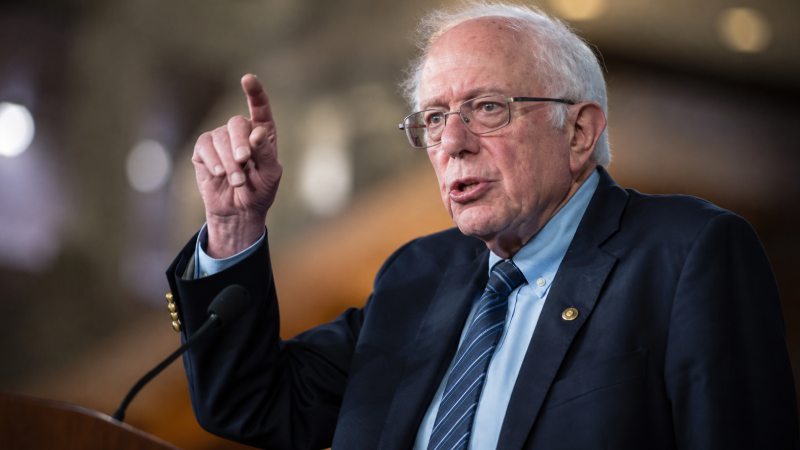
The Bernie Sanders student loan bill, known as the Stop Social Security Garnishment Act of 2026, is a legislative proposal designed to permanently prohibit the federal government from seizing Social Security benefits to recover defaulted student debt.
Introduced on August 17, 2026, alongside Senators Elizabeth Warren and Ed Markey, the act protects retirement and disability payments by amending the Higher Education Act.
Currently, the Treasury Department can garnish up to 15% of monthly checks, causing severe hardship. This bill aims to shield approximately 10 million older Americans from losing their safety net while facing rising costs for healthcare and groceries.
What is the Stop Social Security Garnishment Act of 2026?
Navigating the legalities of federal debt collection requires an understanding of how legislative amendments can shield vulnerable citizens. This section details the primary mechanisms of the proposal designed to end aggressive benefit seizures for older borrowers.
Ending the Mandatory 15 Percent Benefit Seizure
Under existing federal regulations, the Treasury Department is authorized to strip as much as 15% from a borrower’s monthly check once a loan enters default status.
This occurs after 270 days of missed payments, often leaving seniors with insufficient funds for basic survival. The new legislation seeks to terminate this practice entirely, ensuring that earned benefits remain in the hands of the recipients rather than being diverted to settle decades-old education debts.
Amending the Higher Education Act for Permanent Protection
The primary legal mechanism of this bill is a direct amendment to the Higher Education Act (HEA). By changing the HEA, the bill eliminates the government’s legal right to use the Social Security Administration’s payment systems to offset federal student debt.
This move transitions the current landscape from temporary, administrative pauses to a permanent legislative shield that cannot be easily overturned by future administrative shifts or changes in executive branch policy.
Why This Bernie Sanders Student Loan Bill is Essential
The necessity of this legislation is underscored by a rapidly deteriorating economic environment for borrowers. As delinquency rates reach new heights, the intervention aims to prevent a total financial collapse for millions of households across the country.
The Alarming Rise in Student Loan Defaults in 2026
Recent data indicates that student loan delinquency reached a staggering 10.6% in the second quarter of 2026. With over 9 million Americans currently in default, the risk of involuntary collection measures has never been higher.
This surge in defaults is attributed to significant cuts in education funding and the rising cost of living, which have made it increasingly difficult for borrowers to keep up with their scheduled monthly payments.
Vulnerability of the Aging Borrower Population
The crisis is particularly acute for older citizens, with approximately 9.6 million borrowers currently age 50 or older. These individuals collectively carry an estimated $457 billion in outstanding federal debt, much of which was acquired decades ago.
Because many in this demographic live on fixed incomes, the threat of garnishment represents an existential risk to their financial stability and their ability to maintain a standard of living.
How Benefit Seizures Impact Senior Health and Wellbeing
Beyond the financial metrics, the seizure of benefits has profound real-world consequences for the physical health of recipients. This legislation prioritizes the human element of the debt crisis by ensuring access to essential services.
The Correlation Between Garnishment and Skipped Medical Care
Research highlights a devastating link between benefit seizures and health outcomes for seniors. Approximately half of all recipients who faced garnishment reported skipping essential doctor visits or being unable to obtain necessary prescription drugs due to the loss of income.
By protecting these checks, the act ensures that seniors do not have to choose between repaying a federal loan and receiving the medical attention required for their survival.
Reliance on Social Security for Basic Financial Survival
For many older Americans, these monthly payments are not a supplement but a lifeline. Data reveals that over one in three Social Security recipients with outstanding student loans rely entirely on these checks to make ends meet.
Stripping 15% of this income can lead to immediate food insecurity and housing instability, particularly as the prices for groceries and housing continue to rise at a skyrocketing pace throughout the nation.
Economic Context of the Current Student Debt Crisis
Understanding the broader economic landscape is crucial for recognizing the urgency of the proposed ban. This section examines the total debt figures and the specific administrative changes that have contributed to the current repayment struggle.
Total Student Debt and the Default Threshold
American student borrowers are currently on the hook for nearly $2 trillion in total loan debt. Within this massive figure, over $233 billion is already in default, representing a significant portion of the total balance.
The current legal threshold for default—270 days of non-payment—serves as the trigger for the aggressive collection measures that Senator Sanders and his co-sponsors are now fighting to abolish for seniors.
Impact of Administrative Changes on SAVE Repayment Plans
The dismantling of the Biden-era SAVE repayment plan has added fresh pressure to the system. Millions of borrowers are being moved to more expensive repayment options, which is expected to add an average of $4,000 annually to graduate payments.
These higher monthly obligations are projected to push nearly 1 in 4 active borrowers to the brink of delinquency, further increasing the likelihood of benefit seizures if legislative protections are not enacted.
Who Supports the Proposed Ban on Social Security Garnishment?
The movement to protect seniors from debt-related seizures has garnered significant support from a diverse coalition of advocacy groups. These organizations represent the interests of retirees, educators, and civil rights proponents who view the bill as a necessary protection for the most vulnerable.
- American Federation of Teachers: Supporting the right of retired educators to maintain their financial independence.
- Social Security Works: Advocating for the preservation of the program’s integrity as a safety net.
- Alliance for Retired Americans: Representing millions of seniors who face rising costs of living.
- Debt Collective: Focused on the systemic issues within the student loan landscape.
- Student Debt Crisis Center: Providing resources and advocacy for those struggling with default.
- Protect Borrowers: Ensuring that collection methods do not violate basic human needs.
Political Landscape and the One Big Beautiful Bill Act
The legislative battle over student debt is deeply intertwined with broader political shifts in Washington. This bill serves as a strategic counter-measure to recent policies that have reduced borrower protections and increased financial strain.
Legislative Response to National Education Budget Cuts
The act is a direct response to the education cuts enacted under the “One Big Beautiful Bill Act”. Critics argue that these cuts have made federal loans less forgiving while simultaneously attacking the repayment protections that previously helped borrowers avoid default.
Senator Sanders has characterized the practice of seizing benefits in the “richest country in the history of the world” as an absurdity that must be permanently addressed.
The Distinction Between Temporary Pauses and Permanent Law
While some temporary pauses on garnishments were implemented to facilitate system transitions, they do not offer long-term security. Borrowers remain at the mercy of administrative discretion, which can change with each new administration.
The proposed legislation seeks to codify these protections into federal law, ensuring that no future administration can resume the seizure of Social Security checks for student debt without further congressional action.
Frequently Asked Questions on Student Loan Seizures
Can the government garnish Social Security for student loans?
Yes, under current law, the Treasury Department is legally permitted to withhold a portion of monthly retirement and disability checks once a federal student loan has been in default for at least 270 days. This bill, if passed, would permanently revoke that authority.
When will the Bernie Sanders student loan bill be introduced?
Although the bill was formally unveiled to the public in August, it will be officially introduced on the Senate floor in September 2026. This timing coincides with the legislative body returning to full session after the scheduled summer recess period.
Are disability payments protected under this new legislation?
Absolutely. The Stop Social Security Garnishment Act explicitly includes Social Security Disability Insurance (SSDI) in its protections. The goal is to ensure that all individuals relying on these programs—whether for retirement or disability—are shielded from involuntary collection measures.
Conclusion: Protecting the Earned Dignity of American Seniors
The introduction of the Stop Social Security Garnishment Act of 2026 marks a pivotal moment in the fight for senior financial security.
By addressing the “absurdity” of benefit seizures, the bill seeks to restore the original intent of the Social Security program as a guaranteed safety net for those who have worked and contributed throughout their lives.
As the nation faces record-breaking default numbers and rising costs for essential needs like medicine and housing, the protection of fixed incomes becomes a matter of public health as much as economic policy.
The success of this legislation would ensure that the golden years of millions are defined by dignity rather than the fear of federal debt collection.